Why Energy Startups Are Focusing on Africa More Than Ever
Global Markets
Energy startups in Africa are gaining attention because millions of people still lack reliable power, while demand keeps rising fast.
Across cities and rural areas, simple power needs create big opportunities. For beginners trying to understand this trend, the focus is not hype. It is about real problems, fast growth, and markets that are still wide open.
Why Energy Startups Are Focusing on Africa Today
Energy startups in Africa are responding to a clear gap between demand and supply. Many homes and businesses struggle with unstable electricity. This creates daily frustration and lost income.
Unlike mature markets, the African energy market is still developing. New companies can enter, test ideas, and grow without fighting older systems that already dominate everything.
Africa’s Electricity Shortage Creates Immediate Demand
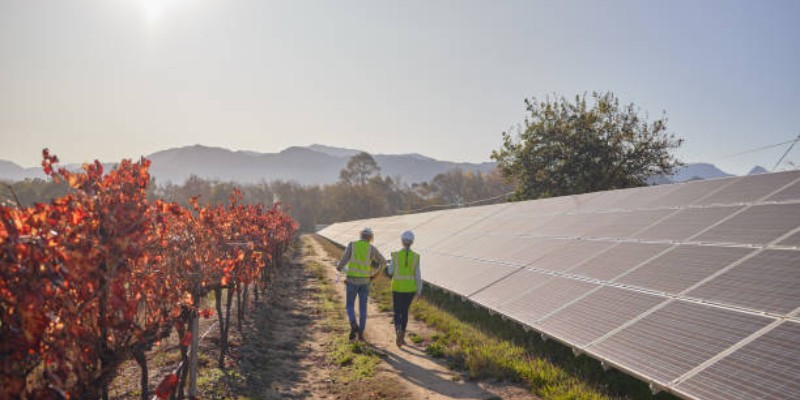
Electricity access in Africa remains uneven. Large cities may have power, but outages are common. Rural communities often have no grid connection at all.
This shortage affects hospitals, schools, farms, and shops. Energy startups in Africa build solutions that match these needs instead of copying models from other regions.
High Energy Costs Push People Toward Alternatives
Generators and fuel cost a lot to run every day. Small businesses often spend more on fuel than rent.
Because of this, renewable energy in Africa becomes attractive. Solar and battery systems cost less over time and remove daily fuel stress for users and providers.
Renewable Energy Fits Africa’s Natural Conditions
Sunlight is strong and consistent in many African countries. This makes renewable energy in Africa easier to deploy than in colder regions.
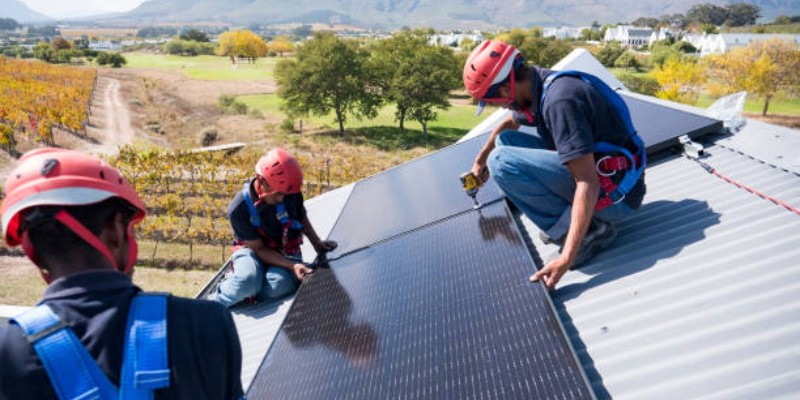
Solar systems can work alone or in small networks. Clean energy startups use this advantage to provide stable power without waiting for national grid expansion.
Low Infrastructure Barriers Encourage Innovation
Building large power plants and transmission lines takes years. Many African areas do not need that scale yet.
Clean energy startups use mini-grids and off-grid systems. These setups are faster to install and easier to maintain, helping energy startups in Africa grow quickly.
A Growing Population Means Rising Energy Demand
Africa has one of the fastest-growing populations in the world. Cities expand every year, and new housing follows.
As families buy phones, fans, fridges, and TVs, electricity access in Africa becomes more urgent. The African energy market grows naturally with population growth.
Middle-Class Growth Changes Energy Use
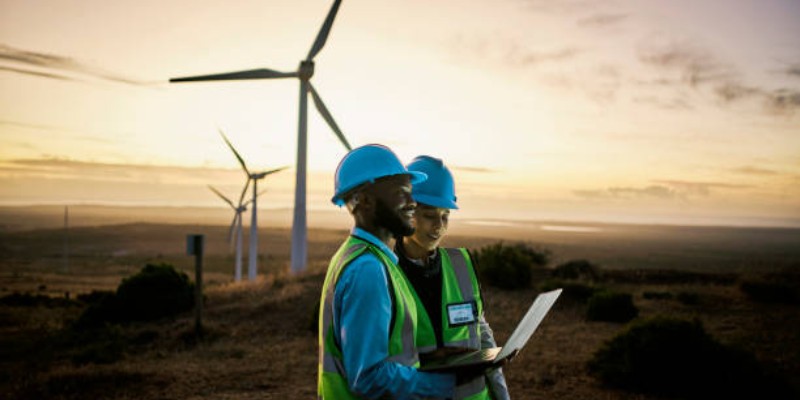
More people now earn stable income and expect steady power. They want lights that stay on and devices that work all day.
Energy startups in Africa design flexible payment plans to meet these expectations. This approach fits daily income patterns better than fixed monthly bills.
Government Policies Are Becoming More Supportive
Many governments now welcome private energy providers. Power sector reforms allow new companies to operate legally and independently.
This policy shift strengthens the African energy market. It reduces risk and makes long-term planning possible for clean energy startups.
Incentives Attract Local and Foreign Builders
Tax reliefs, import benefits, and renewable targets support renewable energy in Africa. These incentives reduce startup costs.
With clearer rules, energy startups in Africa can focus on service delivery instead of regulatory confusion.
Mobile Payments Make Energy Scalable
Mobile money is widely used across Africa. This changes how electricity is sold and paid for.
Clean energy startups use pay-as-you-go systems. Customers pay small amounts daily or weekly, which improves electricity access in Africa without heavy upfront costs.
Data Helps Startups Serve Users Better
Smart meters collect usage data automatically. This helps companies adjust supply and pricing.
By using data, energy startups in Africa reduce waste and predict demand. This improves reliability for both users and providers.
Global Investors Are Paying Attention
Climate goals and sustainability targets push funding toward renewable energy in Africa. Investors see both impact and profit potential.
Large development institutions and private funds now back clean energy startups working across the continent, strengthening the African energy market.
Local Partnerships Reduce Risk
Working with local distributors and technicians improves trust. Local partners understand community needs better.
Energy startups in Africa that build strong local teams scale faster and avoid common mistakes made by outsiders.
Everyday Problems These Startups Are Solving
Small shops rely on power to keep goods fresh. Clinics need electricity for equipment. Schools need light for learning.
By improving electricity access in Africa, these businesses grow stronger. The economic impact spreads through entire communities.
Reaching Remote Areas the Grid Cannot Serve
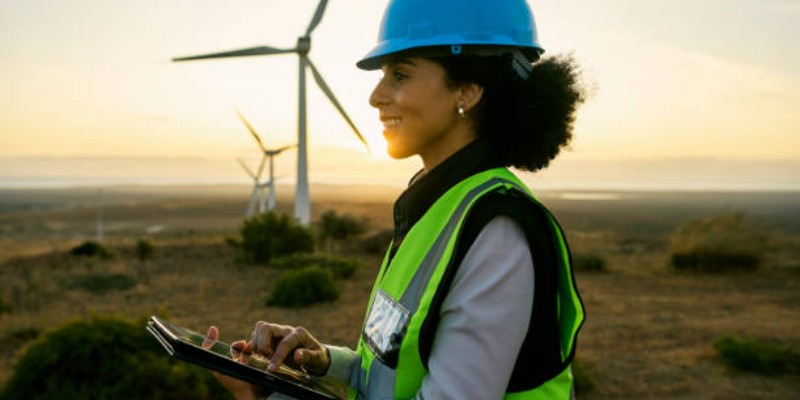
Many villages are too far from national grids. Extending cables is expensive and slow.
Renewable energy in Africa fills this gap. Solar home systems and mini-grids reach places once ignored, changing daily life quietly and steadily.
Challenges Still Facing Energy Startups
Poor roads, import delays, and spare part shortages remain issues. Maintenance can be difficult in remote regions.
Currency changes and policy shifts also affect planning. Still, experienced clean energy startups learn to adapt and manage these risks.
Why Energy Startups Will Keep Choosing Africa
Energy startups in Africa match real needs with workable solutions. Demand is strong, competition is still manageable, and growth potential remains high.
As electricity access in Africa improves, the African energy market continues to attract builders focused on renewable energy in Africa and long-term impact.
Sources
Share this article:
Recommended For You




Most Viewed
ADVERTISEMENT